Blogs
Blogs  Leap Digest
  Events
  About Us
 Trending News
Bulgaria: The Rising Star of Affordable Education in Europe (2026-2027)
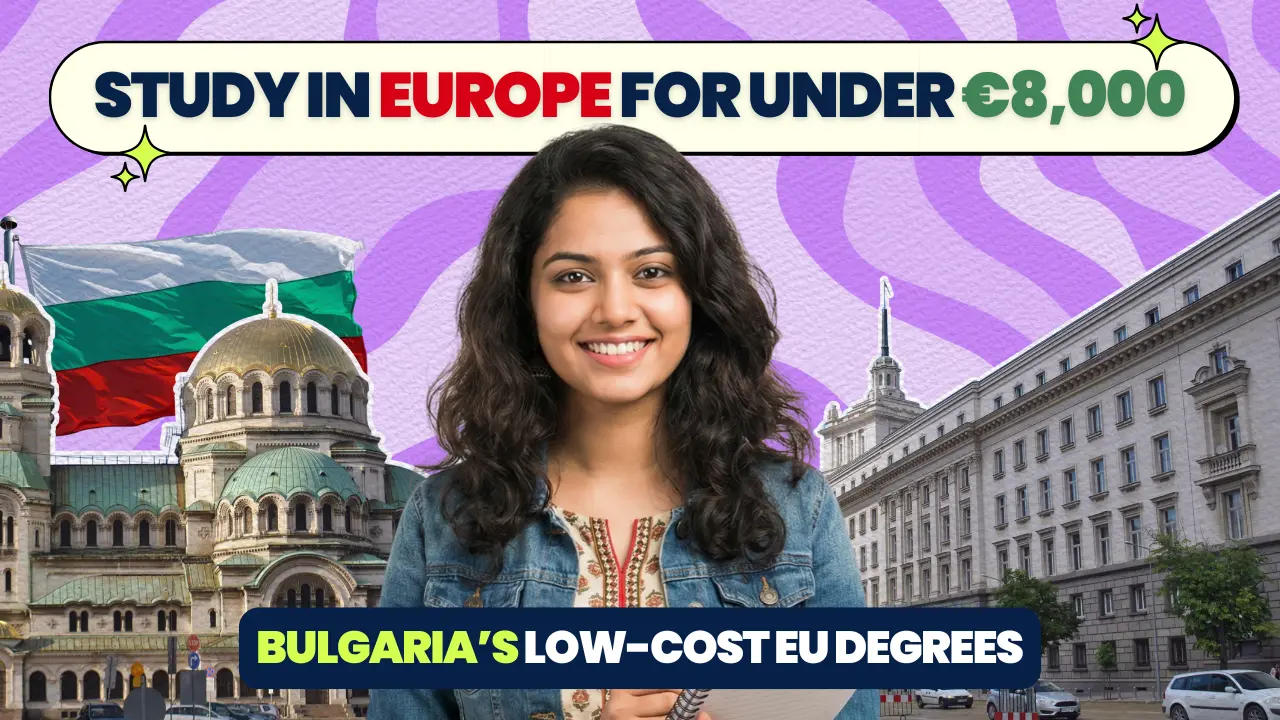
For a long time, the dream of studying in Europe was synonymous with heavy bank balances and high-pressure applications for countries like the UK or Germany. However, as we look toward the 2026-2027 academic cycle, a new destination is quietly taking center stage for Indian students: Bulgaria.
Nestled in Southeast Europe, Bulgaria is no longer just a hidden gem for travelers; it has evolved into a strategic hub for high-quality, English-taught education that doesn't break the bank. With its recent full entry into the Schengen Area (air and sea) and a growing economy, Bulgaria offers a unique blend of European Union standards and an incredibly low cost of living. For the ambitious student, it represents a path to a global career without the burden of lifelong student debt.
Why Bulgaria is Trending for 2026-2027
The shift toward Bulgaria isn't accidental. As traditional study-abroad markets face housing crises and tightening visa regulations, Bulgaria has kept its doors open, offering a welcoming environment for international talent. By 2026, the country is expected to be even more integrated into the Eurozone, making it a stable and attractive prospect for those looking at long-term ROI.
Here's what makes Bulgaria special: Tuition fees range from €2,000 to €8,000 (₹2,17,300 – ₹8,69,200) per year, significantly lower than Western European counterparts. Students benefit from easier travel within the Schengen Zone, enhancing networking and internship opportunities across Europe. Highly ranked programs in Medicine, IT, and Engineering are available entirely in English. A monthly budget of €450–€750 (₹48,900 – ₹81,500)covers accommodation, food, and transport comfortably. Degrees from Bulgarian universities are recognized across the EU and by major international bodies like the WHO and GMC.
1. European Standards at a Fraction of the Cost
Bulgarian universities operate under the European Credit Transfer and Accumulation System (ECTS). This means the quality of education is identical to that in France or the Netherlands. However, while a medical degree in Western Europe might cost upwards of €20,000 (₹21,73,000) annually, Bulgaria offers the same curriculum for roughly €8,000 (₹8,69,200).
For non-medical tracks like Computer Science or Business, fees often drop as low as €3,000 (₹3,26,000) per year. You're getting the same European education system, the same standards, the same recognition, just without the crippling debt.
2. The Medical and Tech Hub
Bulgaria has established itself as a leader in medical education. Institutions like the Medical University of Sofia and Varna attract thousands of international students every year. The medical programs are taught in English, follow European standards, and graduates are eligible to practice across the EU.
Similarly, with Sofia being dubbed the "Silicon Valley of Southeast Europe," IT students find themselves in a thriving tech ecosystem with ample part-time internship opportunities in software development and cybersecurity. You're not studying in isolation; you're in an actual tech hub.
3. Simplified Visa and Residency
The Bulgarian Type D (Student) Visa process is straightforward compared to the bureaucratic hurdles often found elsewhere. In the 2026-2027 scenario, the digital transformation of visa processing in Bulgaria is expected to make applications even faster for Indian students.
Once there, the residence permit allows you to work up to 20 hours per week, helping you offset your already low living costs. That part-time work isn't just pocket money; it can actually cover a significant portion of your monthly expenses.
Comparing the Essentials: Bulgaria vs. Western Europe
To understand why more students are choosing Bulgaria, let's look at how it stacks up against more traditional European destinations for the 2026-2027 period:
| Feature | Bulgaria (2026-27 Est.) | Western Europe (UK/Germany/France) |
| Average Tuition (UG) | €2,500 – €8,000 (₹2,71,600 – ₹8,69,200) | €12,000 – €25,000 (₹13,03,800 – ₹27,16,300) |
| Monthly Living Cost | €450 – €700 (₹48,900 – ₹76,000) | €1,100 – €1,600 (₹1,19,500 – ₹1,73,800) |
| Language of Study | English, Bulgarian, French | English, Native Language |
| Admission Difficulty | Moderate | High to Very High |
| Schengen Travel | Full Access (Air/Sea/Land) | Full Access |
| Part-time Work | 20 Hours/Week | 20 Hours/Week |
The numbers tell a clear story: you're saving thousands of euros while getting the same European education and Schengen access.
Living the Student Life in Bulgaria
Choosing a study destination is about more than just the classroom; it's about the lifestyle. Bulgaria offers a high quality of life that is surprisingly accessible.
Accommodation and Food
Most universities offer student dormitories that cost as little as €50 to €100 (₹5,400 – ₹10,900) per month. Yes, you read that right, €50 a month. If you prefer private living, a modern one-bedroom apartment in a city like Plovdiv or Sofia can range from €250 to €400 (₹27,100 – ₹43,400).
Dining out is equally affordable; a hearty meal at a local "Mehana" (traditional tavern) will rarely cost more than €10 (₹1,080), while a monthly grocery bill for a student typically stays under €200. Compare that to London, where a single meal out costs €15-20 (₹1,630 – ₹2,170) minimum.
A Multicultural Environment
Because of its affordability, Bulgaria has become a melting pot. You'll find yourself studying alongside students from the UK, Germany, India, and various African nations. This diversity prepares you for the global workforce, teaching you how to collaborate across cultures, a skill that 2027 employers will value more than ever.
Post-Study Opportunities and Careers
A common concern for students is what happens after graduation. While Bulgaria doesn't have a "one-size-fits-all" post-study work visa like the UK's Graduate Route, it offers something arguably better: a direct path to an EU Blue Card for highly skilled workers.
By 2027, Bulgaria's tech and healthcare sectors are projected to face significant labor shortages. Graduates who secure a job offer in these fields can easily transition from a student residence permit to a work permit. Since Bulgarian degrees are recognized across the EU, many students also use their time in Bulgaria as a stepping stone to careers in Germany, Austria, or Scandinavia.
You're not just studying in Bulgaria, you're positioning yourself for opportunities across the entire European Union.
How to Plan Your Journey for 2026
If you're eyeing the 2026 intake, the time to start is now. Most Bulgarian universities open their application windows early in the year. Here's your checklist:
1. Shortlist Universities: Look at the Technical University of Sofia or Sofia University St. Kliment Ohridski for general subjects, or MU-Sofia for Medicine.
2. Prepare Documentation: You'll need legalized and translated copies of your high school diploma and birth certificate. Start this process early, translations and legalizations take time.
3. Language Proficiency: While many programs are in English, having an IELTS score of 6.0 or above is generally recommended to smooth the visa process.
4. Financial Planning: Even though it's affordable, you must show proof of funds (usually around €4,000–€5,000 [₹4,34,600 – ₹5,43,200] in a bank account) to secure your Type D visa. This is standard procedure, not a barrier.
The Bottom Line
Bulgaria represents the "smart" choice for the modern student. It proves that you don't have to compromise on the quality of your education or the prestige of a European degree just because you want to be financially responsible.
As we move into 2026 and 2027, the trend is clear: the future of international education is moving eastward. With its rich history, vibrant student cities, and undeniable economic value, Bulgaria isn't just an emerging destination, it's the destination for the next generation of global professionals who understand that value matters more than prestige alone.
Think about it: same European standards, same Schengen access, same recognition, but at a fraction of the cost. That's not settling for less; that's being smart about your investment.
Need help shortlisting the right university in Bulgaria? Book a free consultation with a Leap Scholar expert today.

Kirti Singhal
Kirti is an experienced content writer with 4 years in the study abroad industry, dedicated to helping students navigate their journey to international education. With a deep understanding of global education systems and the application process, Kirti creates informative and inspiring content that empowers students to achieve their dreams of studying abroad.
Users also read

Vietnam Steps Into the Global Academic Spotlight at APAIE 2026: And Indian Students Should Pay Attention
Vietnam Steps Into the Global Academic Spotlight at APAIE 2026: And Indian Students Should Pay Attention

Indian Passport Fees Rise From July 1, 2026. Here Is What It Means If You Plan to Study Abroad.