

Ever wondered why some resumes immediately grab attention while others get overlooked? The secret often lies beyond your resume, in your work experience certificate (WEC). A work experience certificate is an official document issued by an employer that verifies your employment history, role, duration, and key contributions. Unlike a resume, which is a self-prepared summary of your skills and achievements, or a work experience letter, which is usually a brief confirmation of employment, a WEC serves as formal proof of your professional experience. Whether you’re eyeing a new job, making a bold career switch, or applying for higher studies abroad, this document can work in your favour. Also known as an experience letter, employment verification letter, or service certificate, it formally validates your employment history, skills, and contributions.
In this guide, we’ll break down everything you need, from foolproof formats and ready-to-use templates to expert tips for making your certificate credible, concise, and truly impactful.
What is a Work Experience Certificate?
A work experience certificate is an official document issued by an employer that confirms an employee’s tenure, designation, and job responsibilities. You will have to submit an experience certificate upon applying for a job or while applying to a university. In addition to your resume or cover letter, this gives extra information for your employer or college on your performance and skills.
It serves multiple purposes:

Choose your dream country
 UK
UK
 USA
USA
 Germany
 Australia
 Ireland
 Canada
 UAE
UAE
 France
 Sweden
 Italy
Italy
 Other
Other
When do you want to study abroad?
What's your highest level of education?
Select you current city
How Leap will help you

Personalised University Shortlist

Express Applications with Quicker Admits

End-to-End Application Support
- Verifying your employment history for new employers.
- Supporting your university or higher education applications, especially for graduate programs like an MBA.
- Highlighting your skills, achievements, and contributions to a company.
Think of it as a formal record that adds credibility to your resume or CV. Many people also refer to it as a work experience letter, experience certificate format, or employment verification letter.
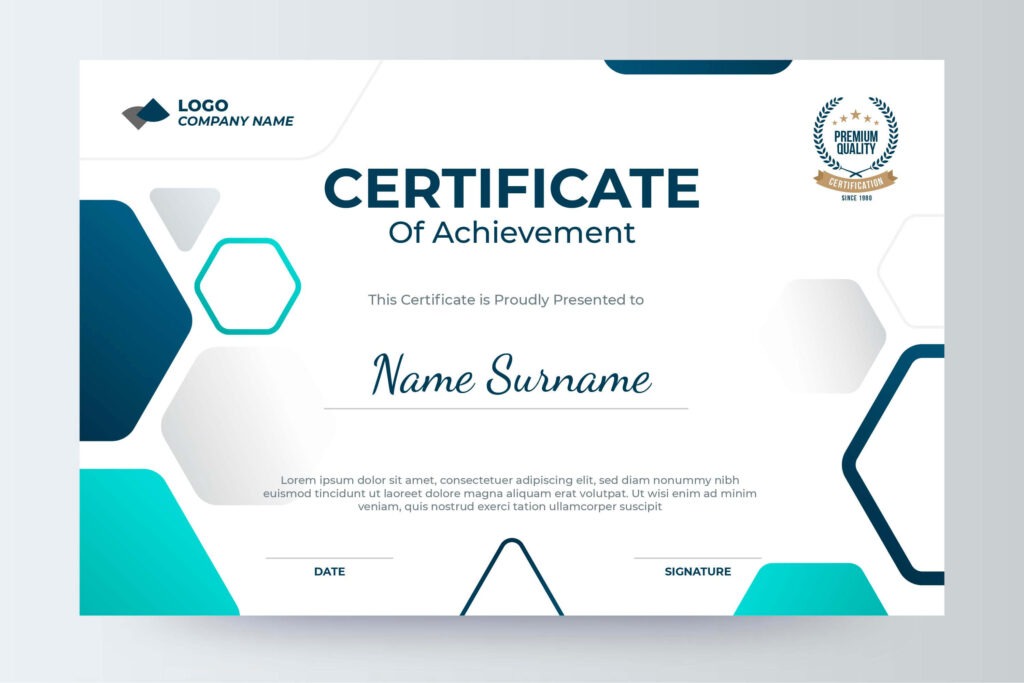
Importance of Work Experience Certificate
A work experience certificate isn’t just a piece of paper; it’s proof of your professional journey. Here’s why it matters:
- Proof of Employment: Confirms you actually worked at a company.
- Professional Record: Showcases your role, responsibilities, and tenure.
- Career Advantage: Enhances credibility for future job applications or academic programs.
- Skill Validation: Highlights your work skills and achievements.
Whether you’re aiming for a new job or an international program, having a properly structured certificate can make a significant difference.
Work Experience Certificate vs Work Experience Letter
Although often used interchangeably, there are subtle differences:
| Aspect | Work Experience Certificate | Work Experience Letter |
|---|---|---|
| Timing of Issue | Can be requested anytime during employment | Typically issued after resignation |
| Content | Concise details: role, tenure, responsibilities | More detailed: includes achievements and work feedback |
| Format | Formal certificate style | Letter format |
| Recipient | Given to the employee | Usually sent to the next employer directly |
Understanding these differences helps you choose the right format for your needs.
Work Experience Certificate Format 2026: Step-by-Step Guide
Creating a professional work experience certificate doesn’t have to be complicated. Follow these steps to ensure your certificate is credible, clear, and impactful:
1. Company Letterhead
Always use the official company letterhead with the logo and contact details. If the letterhead isn’t available, make sure to include the company seal and full contact information to maintain authenticity.
2. Header
Clearly title the document as “Work Experience Certificate”. A well-defined header immediately establishes the purpose of the certificate.
3. Date & Place
Mention the date of issue and the location where the certificate is issued. This adds context and formality.
4. Salutation
If the recipient is unknown, use “To Whomsoever It May Concern”. Otherwise, address the recipient directly for a personalised touch.
5. Employee Details
Include the employee’s full name (avoid abbreviations), designation, department, and company name. Accuracy here ensures clarity and verification.
6. Work Duration
Specify the start and end dates, e.g., “from 01/01/2020 to 31/12/2023.” You can also mention the total tenure to highlight experience.
7. Roles & Responsibilities
Describe the key roles, tasks, and skills the employee handled. Be concise but specific — focus on responsibilities that demonstrate capability and impact.
8. Performance & Achievements
Highlight notable contributions, awards, or accomplishments. Use positive language to emphasise the employee’s strengths and credibility.
9. Closure
End politely with a message wishing the employee success. Include the employer’s signature, designation, and company seal to authenticate the certificate.
Following this structured format ensures your certificate looks professional, communicates the employee’s value clearly, and stands out in any job or academic application.
Sample Work Experience Certificate (Word Format)
Work Experience Certificate Word Format Date: 01 January 2026 Place: New Delhi, India To Whomsoever It May Concern, This is to certify that Radhika Mandana worked as a Content Marketer at India Daily from 01/01/2020 to 31/12/2023. During her tenure, Radhika demonstrated exceptional dedication, creativity, and discipline. She contributed significantly to content strategy and campaign execution, positively impacting the organisation. We wish her all the very best in her future endeavours. Regards, John Lucas Team Manager Company Seal |
How to Write a Work Experience Certificate: Free Templates
Here are some free resources to create or download your certificate:
| Resource | Type | Key Strength |
|---|---|---|
| Canva | Online Template | Fully customizable, modern designs |
| Template Gallery | Multiple visual layouts for quick use | |
| Scribd | Sample Document | Realistic example of formal certificates |
| Indeed Career Advice | Guide | Step-by-step instructions for drafting |
Using a template ensures you don’t miss essential details and saves time.
Tips to Make Your Certificate Professional
- Keep it Concise: Focus on relevant details; avoid unnecessary information.
- Use Positive Tone: Highlight contributions without exaggeration.
- Proofread Carefully: Avoid grammatical or spelling mistakes.
- Tailor According to Purpose: Emphasise skills relevant to your next role or academic program.
- Update Contact Info: Include reachable contact details for verification.
Avoid mentioning reasons for leaving the company; it’s irrelevant for credibility.
Common Mistakes to Avoid When Drafting a Work Experience Certificate
- Providing a generic description without detailing the employee’s responsibilities and achievements.
- Failing to verify information with the manager or HR can lead to inaccuracies.
- Using an inappropriate format or an unprofessional template reduces credibility.
- Overlooking grammatical errors, typos, or inconsistent dates.
- Not highlighting the employee’s unique skills, contributions, and accomplishments.
- Forgetting to certify the exact employment dates.
How to Request a Work Experience Certificate
- Formal Request: Send a polite email or letter to HR.
- Provide Essential Details: Full name, designation, department, employee ID.
- Timeline: Typically issued within 15–30 days after request or resignation.
- Verify Accuracy: Ensure dates, roles, and achievements are correctly mentioned.
You can request a certificate while still employed; in that case, use “Present” for the end date.
Verification & Authenticity
To ensure credibility:
- Add company logo, seal, and contact information.
- Include the manager/HR contact for verification.
- Clearly mention the purpose of the certificate (job or education).
Modern certificates may also include a QR code for verification.
Conclusion
A work experience certificate is more than a document; it’s proof of your professional journey. If it’s done right, it enhances credibility, validates skills, and strengthens your applications for jobs or higher education.
Don’t leave it to chance. Use a template, include key details, and proofread carefully. Your certificate should not just certify your work history but also showcase your achievements concisely and professionally. Ready to create your certificate? Download free Word templates and start customising your work experience certificate 2026 today. You can get assistance from our Leapscholar counsellors for free.
Frequently Asked Questions (FAQs)
-
How can I get a work experience certificate?
You can request a work experience certificate from your HR or reporting manager at your current or previous organisation. Typically, it is issued upon leaving the company or upon request after completing a minimum period of employment.
-
How to show proof of work experience?
Proof of work experience can be shown through official documents such as a work experience certificate, employment letter, pay slips, appointment letter, or even a recommendation letter from your manager.
-
How to make a work experience letter?
A work experience letter is usually drafted by the employer or HR department. It should include your name, job title, duration of employment, key responsibilities, achievements, and a formal signature from the authorised person.
-
How can I create my own certificate?
While certificates are ideally issued by employers, you can create a draft or template for personal use using Word or Google Docs. Ensure it is professional, factual, and clearly states your role, duration, and responsibilities.
-
How do I write my experience certificate for my current work?
For current employees, the experience certificate should mention your start date, current position, and responsibilities, along with a note that you are presently employed with the company.
-
How to write a work experience letter sample word format?
A typical Word-format experience letter includes the company’s letterhead, employee details (name, designation), employment period, roles and responsibilities, achievements, and an authorised signature with date. Templates are widely available online for reference.
-
What is a good example of experience?
A good experience example clearly highlights your responsibilities, accomplishments, and skills gained during your tenure. For instance: “Managed a team of 5, successfully increasing sales by 20% in one year through strategic marketing campaigns.”
-
How do you write a powerful experience letter?
A powerful experience letter emphasises your contributions, achievements, and skills. Use specific metrics or examples, maintain a professional tone, and ensure it is concise, clear, and signed by an authorised person.












Have Questions? Get Guidance to reach your Dream University
Connect with India's finest counsellors and biggest study abroad community.
Get Guidance