Blogs
Blogs  Leap Digest
  Events
  About Us
 Student Reviews
How a Travel Buff Found a Home in the UK During His Master’s Journey

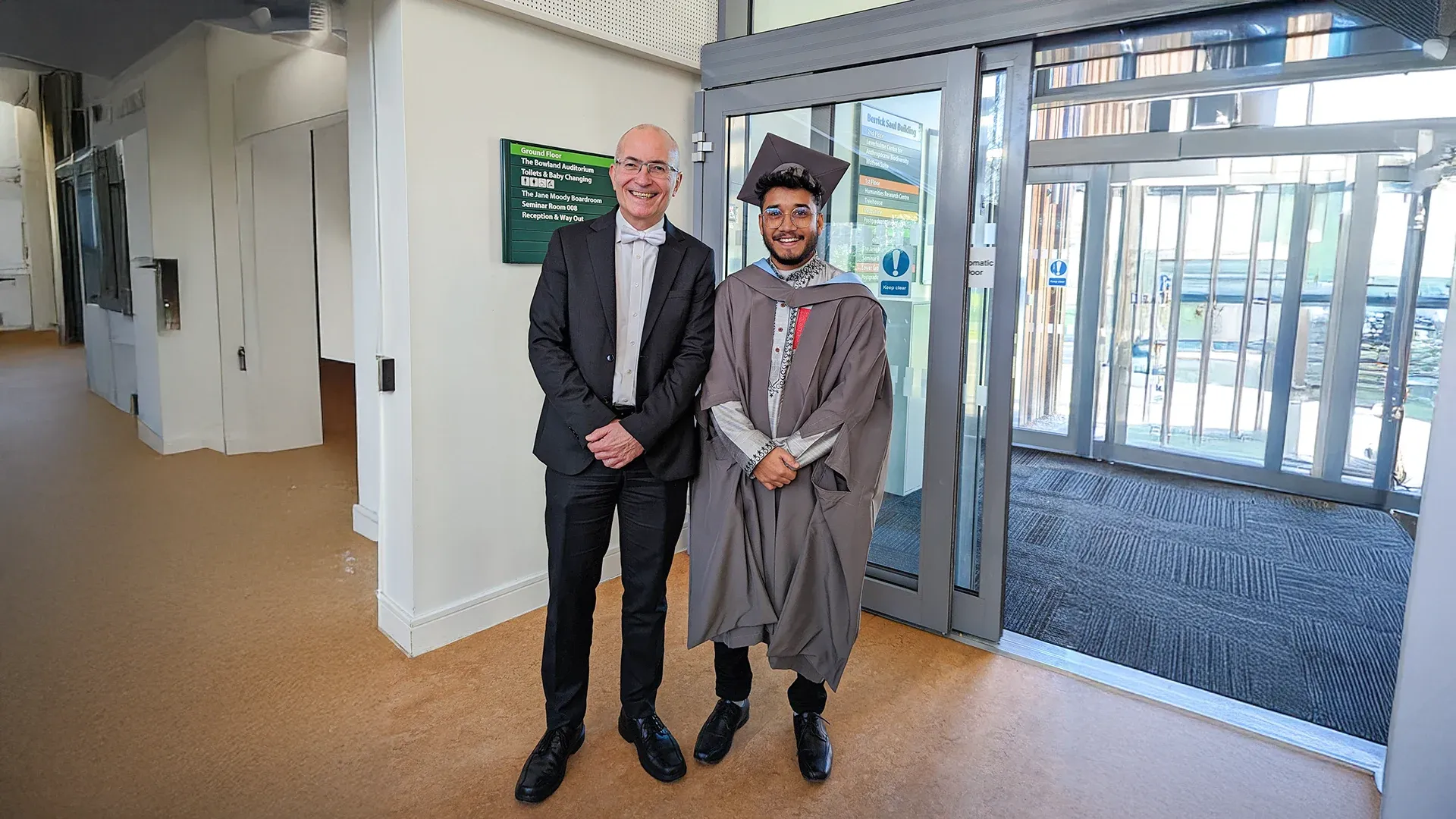
Hi, I am Debayan Dey, a master’s graduate in cybersecurity from the University of York. I currently work as an E-learning Officer at the same university. I recently spoke with Leap for their Student Expert Series about my journey and the experiences of Indians studying abroad. I’m sharing my story in the hope that it will inspire others who are considering the same career path.
Q. Tell us about your background.
I was born in West Bengal, India, and completed my schooling in Madhya Pradesh. I pursued my undergraduate degree from LPU in Punjab. After that, I moved to Bangalore to work in IT for two years.
While I was gaining work experience, I realized that I wanted to dive deeper into cybersecurity. So, I began applying to universities across the UK and the US. Ultimately, I chose the University of York, a decision that changed my life. During my time there, I was elected as the Academic Officer for the student union.
Q. Why did you want to study abroad?
By the time I completed my undergrad and gained work experience, I developed a strong passion for travel, having explored over 100 places across 15 states in India. I felt it was the right time to broaden my horizons and experience international exposure.
While I was committed to my career, I also recognized the value of pursuing a master’s abroad as a way to further my academic and professional growth, while immersing myself in a new culture and expanding my perspective.
Q. Why did you choose the University of York?
It stood out to me for several reasons. Firstly, York is one of England’s oldest cities, with rich historical significance, including its Viking heritage, so the prospect of studying there was exciting.
Moreover, York's reputation as a center of academic excellence appealed to me. Since moving to York in 2021, I’ve visited more than 60 places across 11 countries, all the while studying and working at the university. I wanted to experience a different education system, one that focuses on independent research and application, which is quite different from what I was used to in India.
Q. What was your student life at the University of York like?
York itself felt like a home away from home—charming, historical, and full of life. I stayed in Halifax College with about 20 postgraduate and PhD students from India, the US, Asia, and Africa. We celebrated different festivals, and even shared meals from our respective countries. Fridays were our night-outs, and weekends were typically more relaxed. We enjoyed varsity events, inter-college sports, Bollywood nights, and celebrations like Holi and Diwali.
The academic experience was a much more dynamic learning experience, a departure from what I had known. At York, assignments were open-book and required in-depth research and collaboration. It pushed me to think critically and apply my knowledge creatively.
Q. Can you give us a breakdown of your expenses?
My master’s in Cybersecurity at the University of York cost between £22,500 to £23,500 (₹22.5-23.5 lakhs). I received a scholarship of £5,000 (₹5 lakhs), which helped reduce my tuition fees to around £17,000 to £18,000 (₹17-18 lakhs).
For accommodation, I opted for the most affordable option at £99 per week (₹9,900), totalling around £5,150 (₹5.15 lakhs) for the year. As for living expenses, I primarily cooked at home, spending about £50 (₹5,000) per week on groceries, occasionally going up to £100 (₹10,000) during busier weeks.

Q. Can you give more details about your scholarship
When I applied to the University of York, I was eligible for two scholarships: the Vice Chancellor’s and the Be Exceptional scholarships. I was fortunate to receive the Be Exceptional scholarship, which was valued at £5,000 (₹5 lakhs).
In my application, I outlined my career goals and highlighted my previous work, including my time at BSH and creating cybersecurity e-learning content back in 2019–2020. I believe this helped set my application apart, and the scholarship was a great boost towards reducing my financial burden.
Q. How did you land your job? Any tips?
I found my current role through the University’s job portal. I had experience with various AI tools, cybersecurity applications, and e-learning platforms, which made my application stand out.
Before landing this role, I faced many rejections—more than 100—primarily due to visa sponsorship issues and the requirement for UK-based work experience. It was tough, but I believed in myself. I had two years on my visa, and I was determined to find a job within that time.
What helped me stay motivated was staying consistent and calm. Instead of sending out generic applications, I tailored my CV to each role, highlighting my relevant experiences. I focused on specific projects like building secure websites and using AI tools for e-learning. This approach helped me secure interviews and eventually land my current role.
Users also read

From HR in India to Quant Analyst in New York: How Carnegie Mellon Helped Tapasya Reinvent Her Career

Leap Scholar Review: A Rejection First, Then Eight Offers Out of Eleven Applications

Leap Scholar Review: A Coffee Conversation That Turned Into an MBA at Liverpool