Blogs
Blogs  Leap Digest
  Events
  About Us
 Expert Insights
Your Blueprint for a Global Career: Mastering STEM and Healthcare in Europe
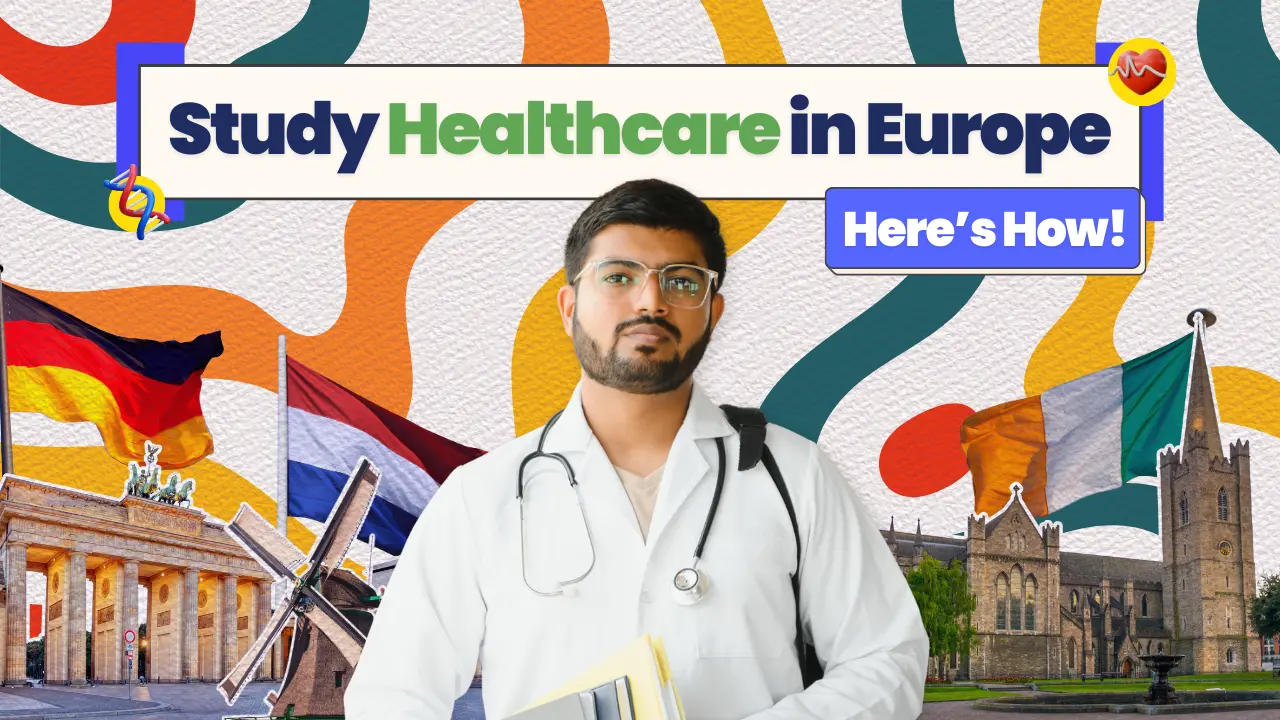
Europe has a real, urgent problem that works entirely in your favor. An aging population, massive renewable energy projects, and a tech boom have created a skills gap so wide that governments are literally rolling out the welcome mat for international graduates in STEM and Healthcare.
This isn't hype. It's economics. And it means your engineering degree or nursing qualification isn't just a certificate, it's your ticket to a stable, well-paid international career.
Why Europe Needs You Right Now
Walk into any job center in Germany, and you'll hear one word repeated constantly: Fachkräftemangel. It means "skilled worker shortage," and it's reshaping immigration policies across the continent. Companies can't find enough qualified people. Hospitals are understaffed. Tech firms are competing globally for talent. And that's where you come in.
The Tech & Engineering Gold Rush
If you're studying computer science, data analytics, or any engineering discipline, you're holding a golden ticket. Cities like Dublin, Berlin, and Amsterdam are home to Google, SAP, Microsoft, and dozens of rapidly growing startups that need fresh talent yesterday.
The hottest roles right now? Artificial Intelligence specialists, cybersecurity experts, and data scientists. But here's the twist: Europe's Green Deal has created an entirely new category of in-demand jobs. Think renewable energy engineers, sustainable mobility designers, and environmental technology specialists. Countries like Sweden and Denmark are practically begging for engineers who can help them hit their 2050 climate goals.
Healthcare: The Most Stable Bet
If tech isn't your thing, healthcare might be your perfect path. Europe's population is getting older, and healthcare systems are modernizing fast. That means constant, urgent demand for nurses, medical technologists, pharmacologists, and therapists.
The UK, Ireland, and Scandinavia are actively recruiting internationally. For Indian students with the right qualifications, the pathway is clear and fast. Plus, unlike volatile tech markets, healthcare jobs are recession-proof. People always need care.
Your Top Three Landing Spots
Not all European countries offer the same opportunities after graduation. Here's where you should focus your search:
Germany: The Engineering Giant
Germany is Europe's economic powerhouse, famous for cars, precision manufacturing, and cutting-edge IT. The best part? Many public universities charge little to no tuition for international students. Yes, you read that right world-class education for almost free.
After graduation, you get an 18-month job seeker visa to find work matching your degree. Once you land a job, you can apply for the EU Blue Card, which fast-tracks you to permanent residency in as little as 21 months if you learn German to B1 level. The language requirement might sound tough, but it's actually your competitive advantage fewer students bother learning German, which means less competition for you.
Ireland: The English-Speaking Tech Hub
If learning a new language feels overwhelming right now, Ireland solves that problem. Everyone speaks English, and Dublin hosts the European headquarters of Google, Facebook, Apple, Pfizer, and Intel. The cultural transition is smooth, the salaries are competitive, and the weather... Well, let's just say you'll appreciate your umbrella.
Irish graduates get a generous 24-month post-study work visa. That's two full years to network, interview, and build your career. The job market is concentrated in IT, financial services, and life sciences, making it perfect for computer science, biotech, and fintech students.
The Netherlands: Innovation Meets Quality of Life
The Dutch are famous for work-life balance, innovative thinking, and being incredibly welcoming to internationals. Most professionals speak excellent English, and cities like Amsterdam and Rotterdam are hubs for sustainable energy, logistics, and data engineering.
You get a 12-month orientation year visa after graduation, giving you a full year to explore opportunities without pressure. The Dutch value direct communication and creativity, which often suits Indian professionals really well.
The Reality Check: Making It Work
Here's what nobody tells you in those glossy university brochures: getting the job requires strategy, not just grades.
Adapt Your CV
That detailed, two-page resume format you're used to? Forget it. European employers, especially in Germany, prefer the Europass CV format structured, concise, and skills-focused. Highlight your technical abilities, internships, and language skills clearly. Your GPA matters less than your practical experience.
Learn the Language (Seriously)
Yes, many companies operate in English. But here's the insider secret: learning German, Dutch, or Swedish to even a basic conversational level instantly doubles your job prospects. Healthcare roles especially require local language proficiency. Think of language learning as salary negotiation every hour you invest in German classes translates directly into better job offers and higher pay.
Use Your University Network
European universities have deep connections with local industries. Attend every career fair. Sign up for internship programs. Use the career services office. These connections lead to the unadvertised jobs that form the real solution to Europe's skills shortage. Your classmates and professors are your most valuable networking resource.
Don't Fear Rejection
If your visa application hits a snag, take a breath. This is bureaucracy, not destiny. Address the specific issue, get expert help reviewing your documents, and reapply. Thousands of Indian students successfully navigate this process every year. You can too.
Your Investment, Your Future
Studying in Europe isn't cheap, but it's one of the highest-ROI decisions you can make. Consider this: Germany charges minimal tuition, gives you 18 months to find a job, and then offers a clear path to permanent residency. Compare that to spending similar amounts on education elsewhere with no guaranteed work rights after graduation.
The European lifestyle offers something else money can't easily buy: balance. A 35-40 hour work week is standard. Paid vacation starts at 20-30 days annually. Healthcare is accessible and affordable. You're not just building a career; you're building a life worth living.
Take the First Step
The hardest part of any journey is deciding to begin. Europe's skills shortage isn't going away if anything, it's intensifying. Your STEM or Healthcare degree positions you perfectly to take advantage of this historic opportunity.
Don't navigate this alone. From shortlisting the right programs to crafting a competitive application, expert guidance makes the difference between stress and success.

Kirti Singhal
Kirti is an experienced content writer with 4 years in the study abroad industry, dedicated to helping students navigate their journey to international education. With a deep understanding of global education systems and the application process, Kirti creates informative and inspiring content that empowers students to achieve their dreams of studying abroad.
Users also read

Top 18 MBA Schools Producing the Highest-Paid Graduates in 2026
How to Format an ATS-Friendly Resume for German Tech Companies in 2026

Growing Demand for HR Professionals in India: Why a Foreign Degree Is Opening Doors for Indian Students in 2026