

Dreaming of studying in Japan? As 2026 approaches, this vibrant nation isn’t just a hub for academic excellence; it’s also one of the best places for international students to earn, learn, and grow. But between tuition and the cost of living, affording your dream of studying in Japan, the Land of the Rising Sun, can feel daunting. The solution? The smart move? Taking up part time jobs in Japan. For most international students, it’s not just extra income; it’s a strategic necessity to manage living costs and gain real-world experience. With Japan’s minimum wage system, you can earn around ¥1,226 (₹704.81) per hour in Tokyo, and even more if you bring specialized skills to the table.
This guide will walk you through Japan’s 2026 part-time job landscape, showing how the right role can do more than cover expenses. From improving your Japanese and integrating into local culture to opening doors for full-time careers and even permanent residency, part-time work is your first real step into Japan’s professional world.
Understanding the Job Market in Japan
Japan’s job market is robust, with a low unemployment rate. This creates a high demand for workers, including international students. In fact, around 67% of international students in Japan work part-time. These roles are a fantastic way to earn money, gain valuable resume experience, and dramatically improve your Japanese language skills in a real-world setting.
Part-Time Jobs vs. Full-Time Jobs

Choose your dream country
 UK
UK
 USA
USA
 Germany
 Australia
 Ireland
 Canada
 UAE
UAE
 France
 Sweden
 Italy
Italy
 Other
Other
When do you want to study abroad?
What's your highest level of education?
Have you completed Class 12th?
What was your Class 12 CGPA/percentage?
Are you a student or a parent/guardian?
What do you want to study?
Select your current city
How Leap will help you

Personalised University Shortlist

Express Applications with Quicker Admits

End-to-End Application Support
For students, the key difference is flexibility.
- Part-time Jobs: Japan are designed to fit around your class schedule. As a student, you can legally work up to 28 hours per week during the semester, but only if you hold a valid “Permission to Engage in Activity Other Than That Permitted” (Shikakugai-katsudokyoka) on your student visa. This document is essential before you start any part-time job
- Full-Time Jobs: These require a 40-hour work week and a dedicated Japanese work visa. This isn't an option while you're on a student visa, but the experience from your part-time job can be a stepping stone to a full-time position after graduation.
Industries Hiring International Students
You don't need to be fluent in Japanese for every job, though it certainly helps. The most common industries hiring students include:
- Hospitality & Food Service: Restaurants, cafes, and convenience stores (konbini) are always hiring.
- Teaching: English tutoring or teaching your native language is one of the highest-paying part-time jobs in Japan.
- Retail: Shops and department stores often need staff, especially in tourist-heavy areas.
- Logistics: Factory or warehouse work is also common.
- Services: Hotels, food delivery, and IT support are great options.
Types of Part-Time Jobs in Japan for Indian Students
The part-time job salary in Japan for international students varies by role and region. Jobs requiring special skills, like language or IT, pay significantly more.
Popular Part-Time Positions
Here’s a look at common part-time jobs for students in Japan and their average hourly wages.
| Job | Average Wage (Per Hour) |
| English Tutor / Language Instructor | ¥3,500 (₹1,995) |
| IT Support | ¥2,400 (₹1,368) |
| Hotel Staff | ¥2,200 (₹1,254) |
| Research Assistant | ¥2,200 (₹1,254) |
| Retail Assistant | ¥2,000 (₹1,140) |
| Library Assistant | ¥1,800 (₹1,026) |
| Factory or Warehouse Work | ¥1,600 (₹912) |
| Food Delivery | ¥1,500 (₹855) |
| Convenience Store Staff | ¥1,200 (₹684) |
| Restaurant or Café Staff | ¥1,000 (₹570) |
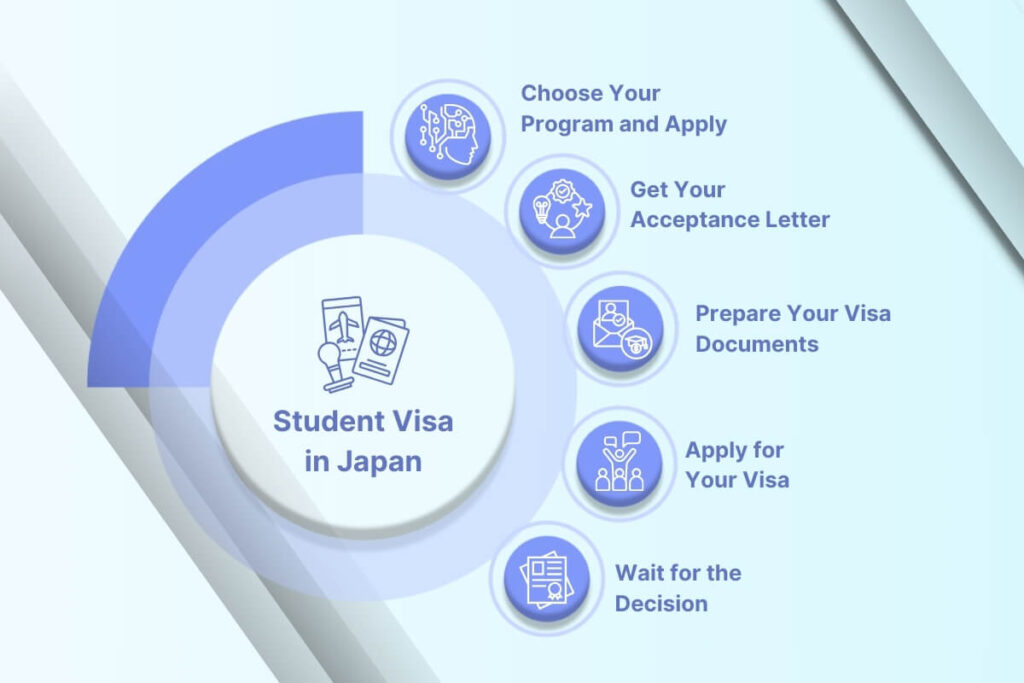
Admission Requirements for a Student Visa
Before you can even get the work permit, you need the student visa.
- Apply to a School: First, get accepted into a top Japanese university, college, or language school.
- Get Your COE: The school will apply for a Certificate of Eligibility (COE) on your behalf.
- Prepare Documents: You will need:
- A valid passport.
- The visa application form.
- The original COE.
- Your acceptance letter.
- Proof of sufficient funds (e.g., bank statements showing approx. ₹11.4 Lakh (¥2 Million)).
- Health insurance (approx. ₹11,400 (¥20,000) per year).
- Passport-sized photos.
- Apply at Your Embassy: Take these documents to the Japanese embassy or consulate in your home country.
- Pay the Fee: The visa fee is approximately ₹1,710 (¥3,000).
- Receive Your Visa: Processing usually takes a few weeks. Once approved, you're ready to go!
Visa Requirements for Working in Japan for International Students
You cannot just arrive and start working. You must follow the rules set by the Japanese immigration authorities. As a student, you will enter Japan on a Student Visa. This visa's primary purpose is study, not work. To work part-time, you must apply for a separate permit.
Visa Regulations for International Students
These are the most important rules you must follow:
- Residence Card: Upon arrival in Japan and registering at your school, you will receive a Residence Card. This is your primary ID.
- Work Permit: You must apply for a "Permission to Engage in Activity Other Than That Permitted" (資格外活動許可 or Shikakugai-katsudokyoka). You can often apply for this at the airport when you first arrive, or at a regional Immigration Bureau office. It’s a stamp/sticker placed in your passport or on your residence card.
- Work Hour Limits: You are legally limited to 28 hours of work per week during the school semester. During long official school breaks (like summer or winter vacation), this limit increases to 40 hours per week.
- Prohibited Jobs: You are strictly forbidden from working in any "adult entertainment" related businesses. This includes bars, cabarets, pachinko parlors, and other similar establishments.
- Consequences: Working over your allowed hours or in a prohibited industry can lead to severe penalties, including fines, visa revocation, and even deportation.
How to Apply for Part-Time Jobs in Japan
The job application process is as same as any other place, but the documents and etiquette are different in Japan. Let’s see how to apply for part-time jobs in Japan
1. Crafting Your Resume
Your Japanese resume (rirekisho) is different from a Western one. It's often handwritten on a standard form you can buy at a convenience store.
- Match Your Skills: Read job descriptions and highlight the skills they ask for.
- Experience Counts: Even volunteer work or short gigs look good.
- Be Professional: Include a professional passport-style photo.
2. Job Search Websites and Resources
These platforms are the best place to start your search for part-time jobs in Japan for international students.
| Platform | Distinctive Features |
| GaijinPot Jobs | The largest and most popular job board for foreigners in Japan. |
| Career Engine | Bilingual (English/Japanese) platform. |
| Daijob | Focuses on bilingual professionals and global companies. |
| Good for professional roles, including IT support. | |
| Indeed (JP) | A massive aggregator with a wide variety of jobs. |
| Mynavi (JP) | Popular with young Japanese professionals; good for after graduation. |
3. Networking and Finding Employers
Don't just rely on websites.
- University Career Services: Your school's international student office will have job postings and resources.
- Job Fairs: Attend any job fairs on campus or in your city.
- Local Postings: Look for "Arubaito Boshu" (アルバイト募集) signs in shop and restaurant windows.
Skills Needed for Part-Time Work
1. Importance of Japanese Language Skills
While you can find jobs with zero Japanese (like factory work or kitchen-only roles), your options expand dramatically with basic language skills.
- JLPT N3/N2: Having this level of proficiency (Japanese-Language Proficiency Test) opens doors to customer-facing roles in retail and restaurants, which pay better and are more engaging.
- Basic Phrases: At a minimum, learn greetings, "please," "thank you," and how to ask questions. It shows initiative and respect.
2. Soft Skills Valued by Employers
Japanese work culture values specific traits. Demonstrating them will make you a highly valued employee.
- Punctuality: This is non-negotiable. Arriving late is seen as extremely disrespectful. Always aim to be 5-10 minutes early.
- Teamwork: Collaboration is key. Be willing to help colleagues and contribute to a positive group dynamic.
- Attention to Detail: Take pride in your work, no matter how small the task.
- Respect for Hierarchy: Show respect to managers and senior colleagues.
3. Adapting to the Japanese Work Culture
Beyond skills, you'll need to adapt to the workplace environment (ba).
- Kaizen (Improvement): Always look for ways to do your job better.
- Humility: Be modest about your achievements and quick to thank others.
- Follow Procedures: Japanese workplaces are very process-oriented. Learn the correct way to do things and stick to it.
Wages and Work Conditions in Japan
Understanding Japan’s wage structure helps students set realistic financial expectations. From hourly pay to workplace norms, here’s what you can expect when taking up part-time jobs as an international student.
Average Wages for Part-Time Jobs
As mentioned, the Japanese student's part-time job salary depends on the job. While the Tokyo minimum wage is ¥1,226 (₹704.81), the national average is lower. However, specialized roles like tutoring can pay ₹1,995 (¥3,500) or more.
Your average salary in Japan for international students will be a direct result of the job you get and the hours you work. Working the full 28 hours at ₹684 (¥1,200) per hour would net you ₹76,608 (¥134,400) per month.
Rights and Benefits for Part-Time Workers
Even as a part-time worker, you have rights.
- Minimum Wage: You must be paid at least the minimum wage for your prefecture.
- Fair Pay: Your pay should be similar to full-time employees doing the same work.
- Social Insurance: If you work over 20 hours a week, you may be eligible for social insurance (health, pension), with the cost split with your employer.
- Safe Workplace: Your employer must provide a safe and healthy work environment.
Smart Budgeting Tips for Students
A part-time job is essential, as the cost of living in Japan can be high. Here's a sample monthly budget.
- Understand your expenses:
The average monthly cost of living is around ₹64,980 (¥114,000), including rent, food, and utilities. - Match your job to your financial goals:
- English tutor: ₹223,440 (¥392,000)/month
- Convenience store staff: ₹76,608 (¥134,400)/month
- English tutor: ₹223,440 (¥392,000)/month
- Use budgeting apps:
Track spending with tools like Money Forward, Zaim, or Wallet. - Cook at home:
Save up to 40% of food costs by preparing meals yourself. - Use commuter passes:
Student teikiken passes help reduce transport expenses. - Leverage student discounts:
Use your student ID for savings on transport, entertainment, and shopping. - Plan savings early:
Set aside part of your income for internships, job hunting, or PR application costs.
Conclusion
Finding part-time jobs in Japan is more than just a way to make money. It's an opportunity to gain work experience, build your resume, and achieve fluency in Japanese. While you must follow the rules, like getting your work permit and sticking to the 28-hour limit, the benefits are enormous. With an average wage of ¥1,226 (₹704.81) per hour in Tokyo and a safe, welcoming environment, you are set for an unforgettable experience. Don't just dream about studying in Japan, make it a reality. Connect with a LeapScholar expert today to start planning your journey, from university applications to visa guidance. Your adventure in the Land of the Rising Sun is just one click away!
Frequently Asked Questions
How much do part-time jobs pay in Japan?
Pay for part-time jobs varies by region and job type. In major cities like Tokyo, the minimum wage is ¥1,163 (approx. ₹663) per hour. Common student jobs, like convenience store or restaurant staff, typically pay around this minimum wage, from ¥1,100 to ¥1,300 (₹627 to ₹741) per hour. High-skill jobs, such as English or language tutoring, pay significantly more, often up to ¥3,500 (₹1,995) per hour.
Is 2 lakh yen a good salary in Japan?
A salary of 2 lakh yen, which is ¥200,000 (approx. ₹114,000), is an excellent monthly income for an international student. It comfortably covers the average student living costs, which are around ¥114,000 (approx. ₹64,980) per month. For a full-time professional, however, ¥200,000 per month would be considered a very low or entry-level salary.
Does Japan have part-time jobs?
Yes, absolutely. Japan has a very large and active market for part-time jobs, which are called arubaito (アルバイト). These jobs are extremely common for both Japanese and international students, with high demand in the service, retail, and hospitality industries.
Can I live on $2000 a month in Japan?
Yes, you can live quite comfortably on $2,000 USD a month, especially as a student. $2,000 USD is roughly ¥280,000 - ¥300,000 JPY, depending on the exchange rate. This is significantly more than the average student's estimated monthly cost of living (around ¥114,000 to ¥150,000), even in a major city like Tokyo.
How much is a 1-hour salary in Japan?
The 1-hour salary depends on the job and location. The minimum 1-hour salary (minimum wage) in Tokyo is ¥1,163 (approx. ₹663). The national average minimum is slightly lower, around ¥1,055 (approx. ₹601). However, many part-time jobs, like tutoring, can pay as high as ¥3,500 (₹1,995) per hour.
Is $280,000 enough to live in Japan?
Assuming this is an annual salary ($280,000 USD per year), it is far more than enough to live in Japan. This is an extremely high, luxury-level salary, equivalent to over ¥42 million per year. The average full-time annual salary in Japan is closer to ¥4.5 - ¥5.5 million, so $280,000 USD would put you in a very high income bracket.










Have Questions? Get Guidance to reach your Dream University
Connect with India's finest counsellors and biggest study abroad community.
Get Guidance