
How is a German CV (Lebenslauf) different from the Indian resume I usually write?
A German CV (Lebenslauf) is formal, factual and complete, and it typically includes a professional photo, date of birth, full personal details, reverse chronological experience, CEFR language levels, explained gaps and a signature. An Indian resume usually leaves many of these out. Check each employer or university's expectations.
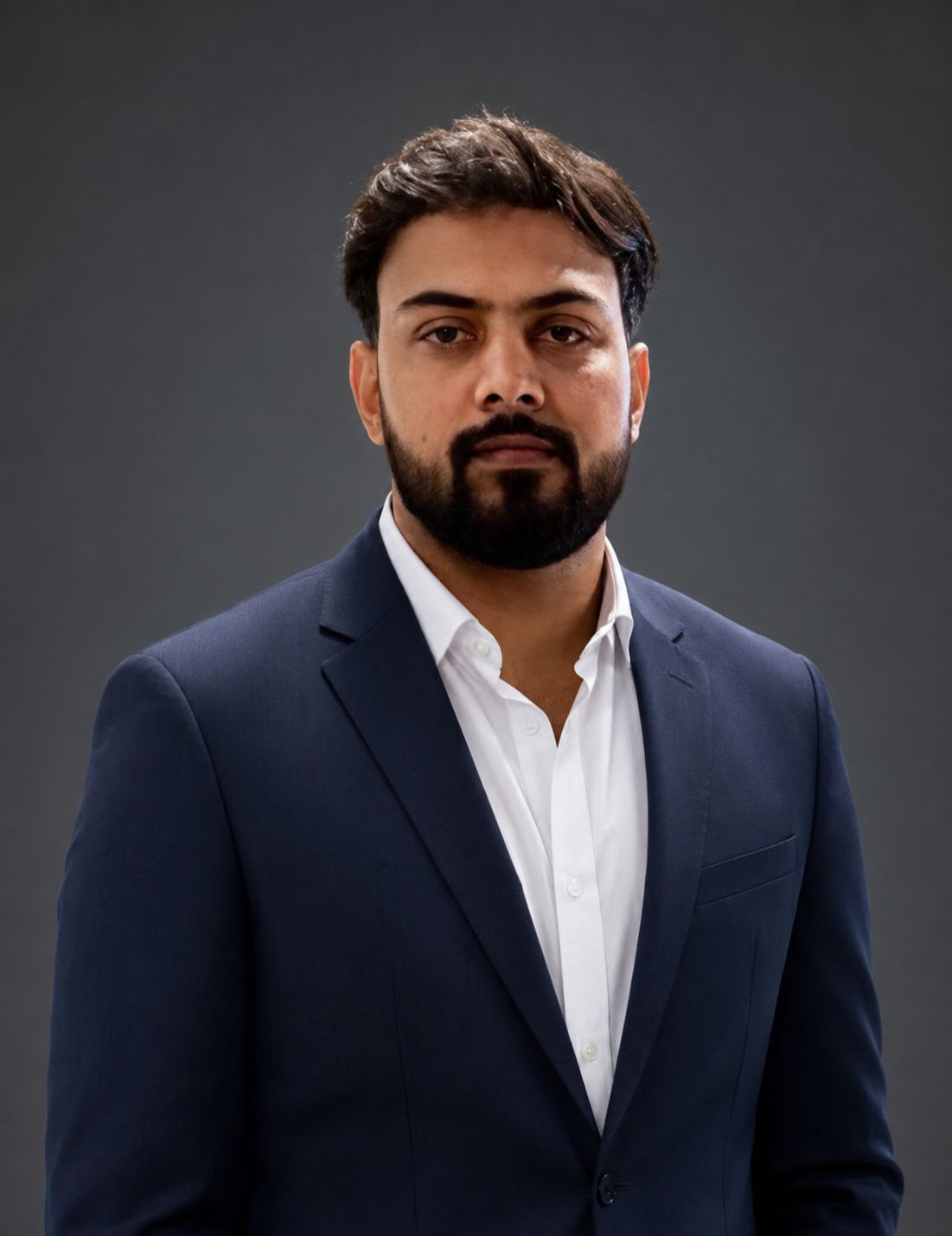
The word Lebenslauf literally means life course, and it is the standard document for job applications, university admissions and even visa applications in Germany. It differs from an Indian resume or a US style CV in several key ways.
Indian Resume vs German CV
| Feature | Indian Resume | German CV (Lebenslauf) |
|---|---|---|
| Photo | Usually not included | Usually included, a professional headshot |
| Date of birth | Usually not included | Usually included |
| Length | 1 page preferred | 1 to 2 pages, 2 pages fine for experienced |
| Work experience order | Varies | Reverse chronological, latest first |
| Personal details | Minimal | Full address, phone with country code, nationality |
| Signature | Not required | Usually included, date and signature at the bottom |
| Hobbies section | Usually skipped | Recommended |
| Language levels | Mentioned loosely | Usually stated using CEFR levels |
| Employment gaps | Often left blank | Usually explained |
What German Readers Expect
- A document that is factual, structured and complete.
- No unexplained gaps in your timeline, with every period since your last qualification accounted for.
- A formal format with sections in a specific order.
My Advice
Rebuild your resume rather than adjusting it slightly. Add the missing personal details, explain every gap and state languages by CEFR level. Since expectations can differ by employer or university, check what each one asks for.
Planning to study in Germany?
Get a personalised university shortlist with courses, costs and career outcomes.
More Careers & Industry Trends questions
- Which university is more suitable for a Master's in Food Science and Technology: Wageningen University & Research in the Netherlands or University College Cork in Ireland, and what career opportunities do graduates typically pursue?
- Can I practise medicine in India with a medical degree from Turkey?
- What are some senior leadership roles I could pursue after graduation with my 12 years of experience and an MBA from the UK, and what are the typical salary ranges for these positions?
- What are the top five countries offering one-year master's programs in finance or investment banking with strong industry opportunities?
- What average base salary can I expect as a graduate of The University of Texas at Austin's Full-time MBA programme?
- What hourly rate can I expect as a freelance social media manager right now?
- What average annual salary could I expect as a Deakin University MBA graduate?
- What are the highest-paying jobs in Germany, and what could I earn in them?
More Germany questions
- Other than Canada and Netherlands, are there better countries to study science and technology in Germany/Singapore?
- What are some effective online German language classes for Indian students preparing to study in Germany?
- Is Germany the best first priority country for my course and career scope for a Master's?
- Why is the dMAT subject module called Battery Science and Technology in Engineering?
- Is it better to spend 12 lakhs in India or go abroad for higher studies in Germany for a Master's?
- Can I target Germany, Italy, or the Netherlands for a master's in computer science without a computer science background?
- Is it possible to get a fully funded scholarship if he scores seven or above (seventy percent) in the third year in Germany?
- Does my 12th grade percentage affect my master's application in Germany/France for a Bachelor's?